
📄 Some content on this site was written with AI assistance and reviewed by Mileni Sabatini before publishing.
There’s something incredibly satisfying about the way warm chickpeas soften and absorb flavors in a dish. I always find that giving them a quick sauté with some garlic before adding the rest of the ingredients enhances their nuttiness and brings out a richer taste. Pairing them with bright, fresh herbs and a splash of citrus creates a balanced, hearty meal that feels both comforting and healthy. This approach makes sure that every bite is a burst of flavor, inviting you to come back for more.
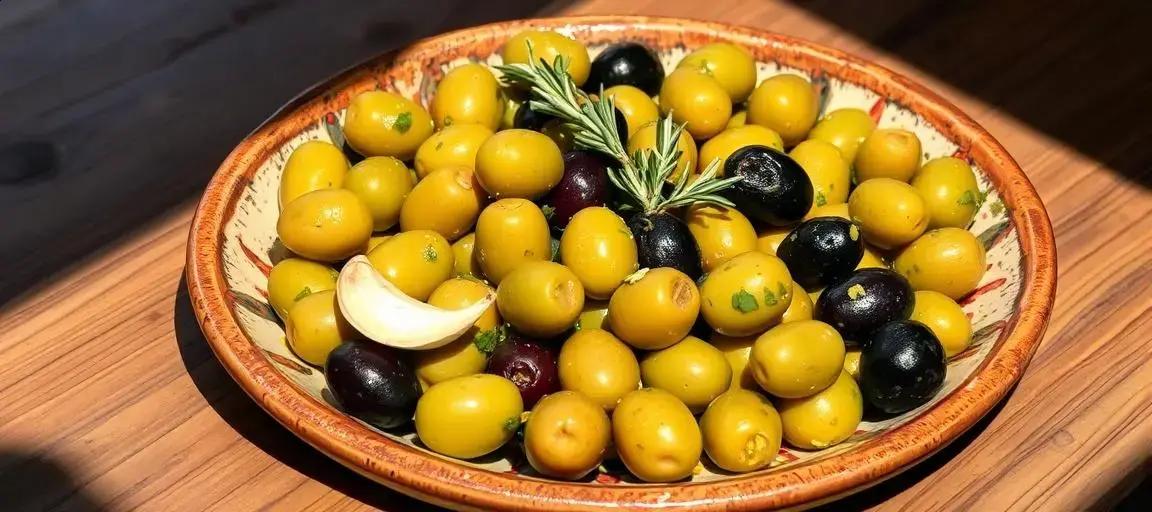
olives platter
Ingredients
Method
- Drain the olives if they’re packed in brine or oil. No need to rinse unless they’re extra salty — just let them dry a bit so the oil and herbs stick.
- Zest the lemon and orange right over the olives — I use a microplane because it keeps the citrus light and fluffy. Avoid the white pith, it turns everything bitter fast.
- Smash the garlic cloves lightly with the flat of your knife. Don’t mince — you want big chunks that share flavor without overpowering every bite.
- Toss olives with olive oil, lemon and orange zest, smashed garlic, rosemary, thyme, chili flakes, and about half the parsley. Make sure everything is coated — I use my hands because it’s way faster than a spoon.
- Let the olives sit (even just 5–10 minutes helps) so the flavors mingle. I always sneak one to check if the salt or chili needs adjusting — olives vary a lot in saltiness.
- Serve on a plate, sprinkled with the rest of the parsley. Leave the garlic and woody herb sprigs in — they look nice and add aroma, just warn guests not to bite into the rosemary.
Notes
How I get the most flavor from store-bought olives
Good olives are the base, but everything else is flexible. If your olives are bland or rubbery, no amount of oil will fix them. I avoid ones that look shriveled or super-dyed black. When I say to smash the garlic, I mean just whack it once – it perfumes the oil without making the whole platter taste raw. And zest goes straight into the bowl over the olives because the oils that spray out when you grate it make a difference you notice. If the olives come refrigerated, I let them sit out a bit before prepping; colder olives don’t soak up flavors as well. Another personal quirk: I mix everything by hand. Not just for coating, but because I catch broken pits or bruised pieces before they hit the platter.Variations and swaps
Lemon or orange — use what you have, or go heavy on just one if that’s your thing. Don’t skip zest for juice; juice makes the olives gray and weirdly soft if they sit. You can add thin strips of preserved lemon rind if you keep a jar in the fridge, but skip capers unless you rinse them super well; their brine competes with all the other flavors. I tried with smoky pimentón once, and it just overpowered everything. Wouldn’t repeat it.Prep ahead or store?
These olives get better if you give them half an hour, but they’re still good right away. They’ll keep for about a week, covered, in the fridge. Just let them come back to room temp before you serve — olive oil goes cloudy and the flavors stay muted if served cold straight from the fridge.I throw together this olives platter anytime I need something on the table fast but still want it to taste like I did more than just open a jar. The pop of citrus plus herbs is honestly what makes people ask for the recipe every time.
How I get the most flavor from store-bought olives
Good olives are the base, but everything else is flexible. If your olives are bland or rubbery, no amount of oil will fix them. I avoid ones that look shriveled or super-dyed black. When I say to smash the garlic, I mean just whack it once – it perfumes the oil without making the whole platter taste raw. And zest goes straight into the bowl over the olives because the oils that spray out when you grate it make a difference you notice.
If the olives come refrigerated, I let them sit out a bit before prepping; colder olives don’t soak up flavors as well. Another personal quirk: I mix everything by hand. Not just for coating, but because I catch broken pits or bruised pieces before they hit the platter.
Variations and swaps
Lemon or orange — use what you have, or go heavy on just one if that’s your thing. Don’t skip zest for juice; juice makes the olives gray and weirdly soft if they sit.
You can add thin strips of preserved lemon rind if you keep a jar in the fridge, but skip capers unless you rinse them super well; their brine competes with all the other flavors. I tried with smoky pimentón once, and it just overpowered everything. Wouldn’t repeat it.
Prep ahead or store?
These olives get better if you give them half an hour, but they’re still good right away. They’ll keep for about a week, covered, in the fridge. Just let them come back to room temp before you serve — olive oil goes cloudy and the flavors stay muted if served cold straight from the fridge.