
📄 Some content on this site was written with AI assistance and reviewed by Mileni Sabatini before publishing.
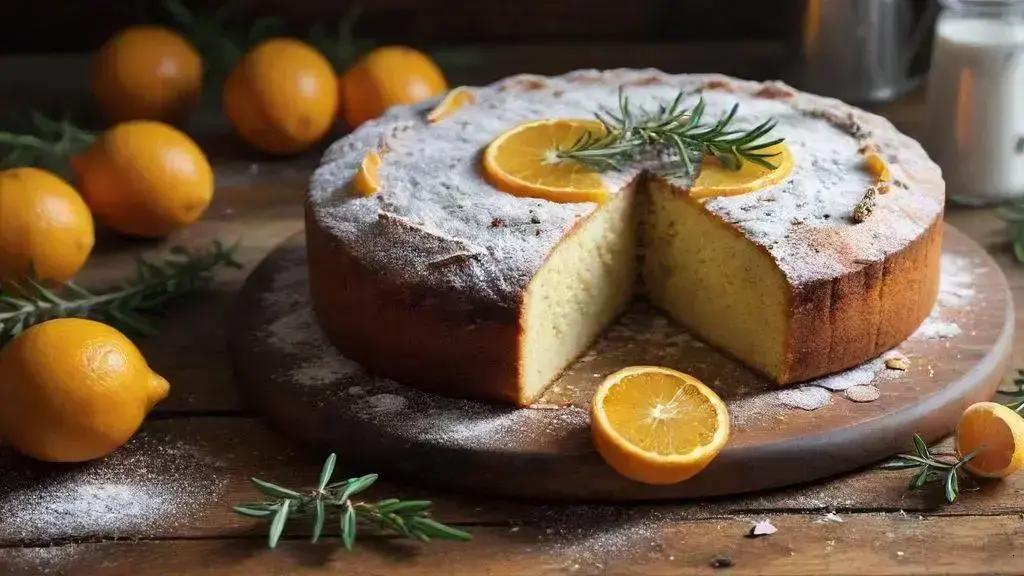
orange olive oil cake
Orange olive oil cake is moist, light, and bursting with citrus. Discover the healthy, easy-to-make classic that wins hearts!
Ingredients
Method
- Preheat your oven to 180°C (350°F). Grease a 23cm (9-inch) round cake pan with olive oil and line the bottom with parchment paper.
- In a large bowl, whisk together the eggs and sugar until creamy and pale.
- Add the olive oil, orange juice, and orange zest to the mixture. Mix until fully incorporated.
- In a separate bowl, sift together the flour, baking powder, and salt.
- Gradually add the dry ingredients to the wet mixture. Stir gently with a spatula just until combined. Do not overmix to keep the cake fluffy.
- Pour the batter into the prepared pan and smooth the top with a spatula.
- Bake for 40-45 minutes, or until a toothpick inserted into the center comes out clean. If needed, bake for a few more minutes but avoid overbaking.
- Let the cake cool in the pan for 10 minutes, then remove from the pan and cool completely on a rack.
- Dust with powdered sugar and decorate with orange slices before serving for a fresh, elegant finish.
Notes
The orange olive oil cake stands out for its simple charm and exceptional versatility. Whether you’re craving a fragrant centerpiece for your brunch table or looking for a light dessert to pair with coffee, this recipe always delivers. The blend of fresh orange and high-quality olive oil creates a surprisingly moist crumb and an incredible aroma that naturally draws everyone to the kitchen.
Tips for the Best Orange Olive Oil Cake
- Use room temperature ingredients: This ensures the batter mixes smoothly and the cake bakes evenly every time.
- Choose a fruity, mild extra virgin olive oil. While you want the olive oil to be noticeable, a robust variety may overpower the citrus.
- Organic oranges are best, since you’ll be using the zest. Always wash thoroughly before zesting to avoid bitterness.
- If you prefer a healthier twist, swap part of the white flour for whole-wheat flour, or use coconut sugar for a deeper flavor profile.
- Don’t overmix the batter! Stir just until the dry ingredients disappear. Overmixing leads to a dense texture rather than the desired fluffy crumb.
Preparation Techniques for Maximum Flavor
- Sift the flour and baking powder to improve the cake’s lightness and prevent lumps.
- If you love a more pronounced citrus flavor, add a little more orange zest to the batter.
- Let the cake cool completely before dusting with powdered sugar so it doesn’t melt into the surface.
Serving and Variations
- For a special touch, serve with Greek yogurt, ricotta, or a drizzle of honey.
- This cake pairs beautifully with fresh berries or roasted stone fruits.
- If you’d like to make it gluten-free, use your favorite 1:1 gluten-free flour blend.
- For a hint of spice, try adding cardamom or cinnamon to the batter.
- Hosting a brunch? Serve slices with coffee or tea, or top with silky whipped cream and extra citrus zest for a festive look.