
📄 Some content on this site was written with AI assistance and reviewed by Mileni Sabatini before publishing.
The moment you pull the roasted vegetables from the oven, their crispy edges contrasted with tender centers creates a mouthwatering experience. I always toss them with a pinch of salt while they’re still hot; this small step enhances the flavors and draws out the natural sweetness of the vegetables. The charred bits add a satisfying crunch that balances perfectly with the softness, making each bite a delightful blend of textures. This recipe is all about transforming simple ingredients into something that feels elevated yet comforting.
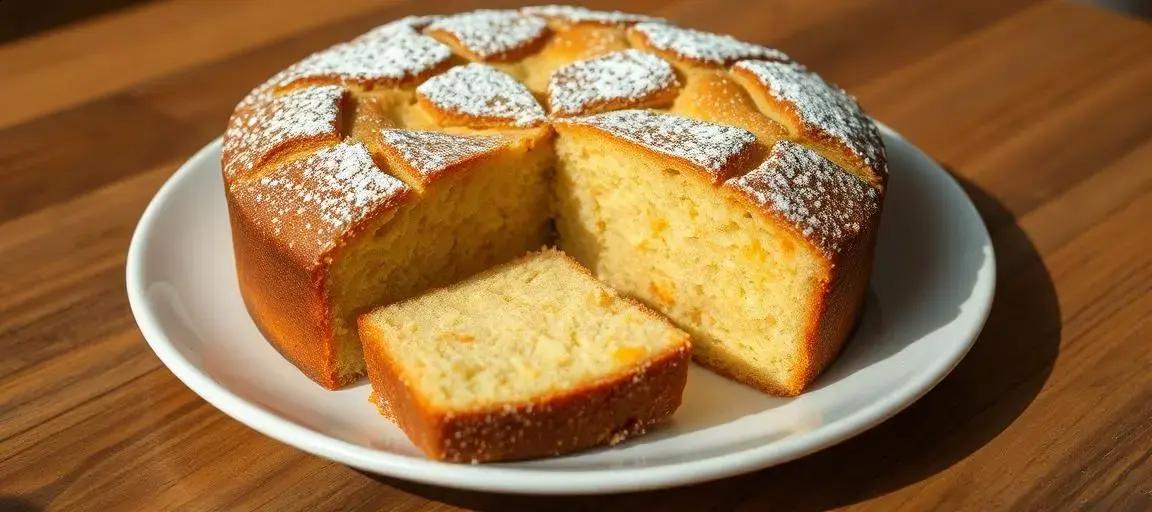
orange olive oil cake
Ingredients
Method
- Preheat your oven to 180°C (350°F). Grease a 9-inch (23 cm) round cake pan with olive oil or line with parchment paper.
- In a large bowl, whisk the olive oil and sugar until smooth and glossy, about 2 minutes by hand. This makes the crumb extra tender.
- Add the eggs one at a time, whisking well after each. Don't rush this step; the batter should look slightly thick and pale by the end.
- Stir in the orange juice, zest, and milk. The mixture may look a bit curdled—that's normal when mixing citrus and milk together.
- Sift the flour, baking powder, baking soda, and salt right over the wet ingredients. I always do this instead of using a second bowl—less washing up.
- Gently fold the dry and wet together with a spatula until just combined. Don't over-mix. It's ready when you see just a few streaks of flour.
- Pour the batter into your prepared pan. Give the pan a little tap on the counter to pop any large bubbles.
- Bake for 40–45 minutes. The top should be golden and a toothpick inserted in the center comes out with just a few crumbs.
- Let the cake cool in the pan for 10 minutes. Then run a knife around the edge and lift it out to finish cooling on a rack.
- Once cool, dust with powdered sugar. This cake stays moist for days—I sometimes slice it and pack for breakfast-on-the-go.
Notes
Technique notes
Use extra-virgin olive oil — not the light stuff. You won’t taste “olive” but you will notice a subtle, almost floral fruitiness. Sifting the dry ingredients right over the wet bowl is my shortcut for fewer dirty dishes, and the sifted flour blends in more gently (less risk of tough cake). If you want stronger orange flavor, don’t double the juice (too much liquid makes it gummy). Instead, grate extra zest and rub it into your sugar with your fingers before mixing. This wakes up the oils in the zest way more than just tossing it in.Swaps and variations
You can use most plant milks here (oat and soy both work fine; coconut is a little heavy and overshadows the orange). I’ve tried this cake with half whole-wheat flour; it comes out a little denser but still pleasant — just don’t swap all of the flour or you’ll lose the light crumb. Lemon works just as well as orange if that’s what you have. Blood oranges look beautiful but taste less intense than regular ones, so add a touch more zest.Storage and prep
This cake stays soft at room temp for up to 3 days if you wrap it tightly. I slice leftovers and freeze them in individual pieces — thaw for a quick snack or slap on some Greek yogurt for breakfast.I make this orange olive oil cake when I want something actually moist that holds up for a few days, but doesn’t taste heavy or greasy. It’s also the only cake I can get my kids to eat for breakfast without a fight.
Technique notes
Use extra-virgin olive oil — not the light stuff. You won’t taste “olive” but you will notice a subtle, almost floral fruitiness. Sifting the dry ingredients right over the wet bowl is my shortcut for fewer dirty dishes, and the sifted flour blends in more gently (less risk of tough cake).
If you want stronger orange flavor, don’t double the juice (too much liquid makes it gummy). Instead, grate extra zest and rub it into your sugar with your fingers before mixing. This wakes up the oils in the zest way more than just tossing it in.
Swaps and variations
You can use most plant milks here (oat and soy both work fine; coconut is a little heavy and overshadows the orange). I’ve tried this cake with half whole-wheat flour; it comes out a little denser but still pleasant — just don’t swap all of the flour or you’ll lose the light crumb.
Lemon works just as well as orange if that’s what you have. Blood oranges look beautiful but taste less intense than regular ones, so add a touch more zest.
Storage and prep
This cake stays soft at room temp for up to 3 days if you wrap it tightly. I slice leftovers and freeze them in individual pieces — thaw for a quick snack or slap on some Greek yogurt for breakfast.