
📄 Some content on this site was written with AI assistance and reviewed by Mileni Sabatini before publishing.
There’s something wonderfully satisfying about the crunch of toasted nuts atop a warm, creamy dish. I always toast my nuts in a dry skillet until fragrant and golden—it’s a game-changer for elevating flavors. This approach not only enhances the nuttiness but also adds a delightful texture contrast that keeps each bite interesting. Whether you’re looking for a cozy side or a main event, this recipe strikes the right balance.
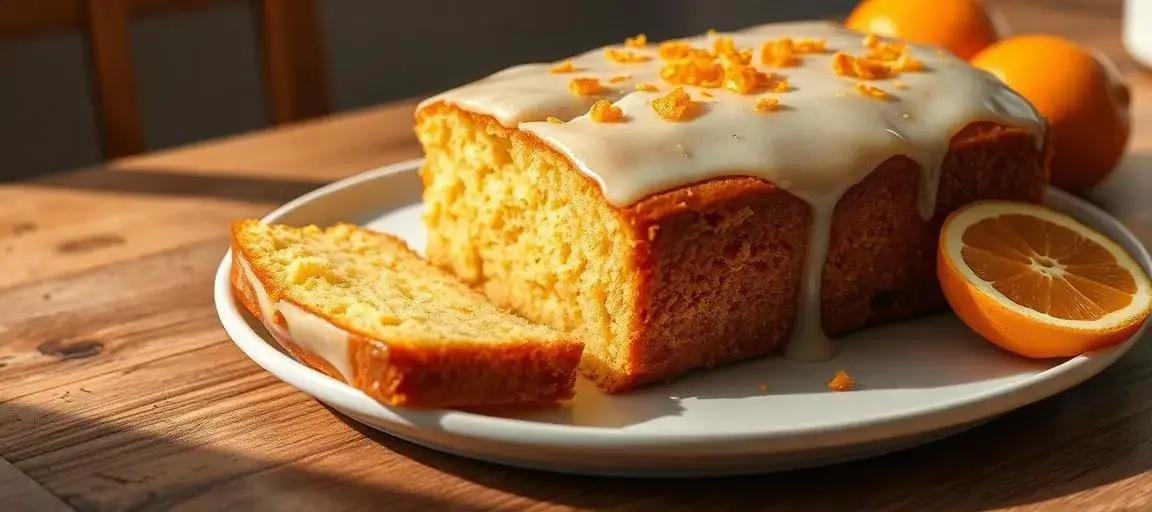
orange olive oil cake
Ingredients
Method
- Preheat your oven to 350°F (180°C). Grease a 9-inch round cake pan and line the bottom with parchment paper. This makes sure your cake won’t stick. Trust me, I’ve tried skipping it. Not worth it.
- In a large bowl, whisk together the eggs and sugar for about 1 minute—just until the mixture looks a little pale.
- Pour in the olive oil, orange juice, milk, and orange zest. Whisk until fully combined. The olive oil brings out the orange flavor here.
- In a separate bowl, mix the flour, baking powder, and salt. Add these dry ingredients to the wet mix. I do it in two batches (half at a time) to avoid pockets of flour. Stir gently with a spatula, just until combined. Don’t overmix.
- Pour the batter into the prepared pan. Tap the pan lightly on the counter to pop any air bubbles.
- Bake for 45–50 minutes, until the top is golden and a toothpick in the center comes out clean. If your oven bakes unevenly, rotate the pan after 30 minutes.
- Let the cake cool in the pan for 10 minutes, then turn it out onto a rack. Cool completely before glazing.
- While the cake cools, whisk powdered sugar, orange juice, and zest in a small bowl. Start with 2 tablespoons of juice; for a thinner glaze, add a bit more juice, just a few drops at a time.
- Once the cake is cool, spoon or drizzle the glaze over the top, letting it drip down the sides. I like running the back of a spoon over the top for that homemade look.
Notes
Technique notes (read before you bake)
Zesting matters more than you think: don’t just grate the outer layer — scrape right up to the white (pith), but stop before you actually get that bitter part. The best flavor comes from using a microplane and zesting directly over your batter bowl so you catch all those aromatic oils that fly out. This tip alone will make your kitchen smell like you’re baking at a little café in Sicily. If your cake cracks a bit on top while baking, that’s normal — it usually means your oven runs hot or your pan is a bit small. No stress; the glaze covers it, and the crumb still stays moist. When making the glaze, add the juice in slowly. Powdered sugar acts like a sponge; you’ll need less liquid than you think. If it runs off immediately, it’s too thin — just whisk in a bit more sugar right in the bowl, no need to start over.Substitutions and variations that work
You can use blood oranges for a deeper color and slightly berry-like flavor (great for a winter brunch). Lemon works too, but I’d bump the sugar up by a tablespoon — lemons can make it sharper than most people expect. If you want the cake dairy-free, swap the milk for oat or almond milk. I’ve tried both, and the texture stays the same. Yogurt instead of milk gives it a little tang and a denser crumb. I don’t recommend cutting much sugar — you lose moisture and the balance of orange flavor.Storage and make-ahead tips
This cake keeps at room temp for 2 days, covered loosely. The olive oil keeps it from drying out, so it actually tastes great the next day. For longer storage, refrigerate and let it come to room temp before serving. If you want to freeze, skip the glaze and add it after thawing.I make this orange olive oil cake every time I want something sunny and not too sweet — especially in that in-between season when oranges are still good but everyone’s tired of heavy winter desserts. The olive oil gives it a softer crumb than butter cakes, and you actually taste the citrus instead of just sugar.
Technique notes (read before you bake)
Zesting matters more than you think: don’t just grate the outer layer — scrape right up to the white (pith), but stop before you actually get that bitter part. The best flavor comes from using a microplane and zesting directly over your batter bowl so you catch all those aromatic oils that fly out. This tip alone will make your kitchen smell like you’re baking at a little café in Sicily.
If your cake cracks a bit on top while baking, that’s normal — it usually means your oven runs hot or your pan is a bit small. No stress; the glaze covers it, and the crumb still stays moist.
When making the glaze, add the juice in slowly. Powdered sugar acts like a sponge; you’ll need less liquid than you think. If it runs off immediately, it’s too thin — just whisk in a bit more sugar right in the bowl, no need to start over.
Substitutions and variations that work
You can use blood oranges for a deeper color and slightly berry-like flavor (great for a winter brunch). Lemon works too, but I’d bump the sugar up by a tablespoon — lemons can make it sharper than most people expect.
If you want the cake dairy-free, swap the milk for oat or almond milk. I’ve tried both, and the texture stays the same. Yogurt instead of milk gives it a little tang and a denser crumb.
I don’t recommend cutting much sugar — you lose moisture and the balance of orange flavor.
Storage and make-ahead tips
This cake keeps at room temp for 2 days, covered loosely. The olive oil keeps it from drying out, so it actually tastes great the next day. For longer storage, refrigerate and let it come to room temp before serving. If you want to freeze, skip the glaze and add it after thawing.