
📄 Some content on this site was written with AI assistance and reviewed by Mileni Sabatini before publishing.
There’s nothing quite like the crispy texture of roasted vegetables, especially when you leave a little space between them on the baking sheet. This allows for that irresistible caramelization that amps up the flavor. I’ve learned that preheating your baking sheet while prepping really helps achieve that perfect crunch. By the time the veggies hit the hot surface, the sizzle sets the stage for a beautifully roasted dish.
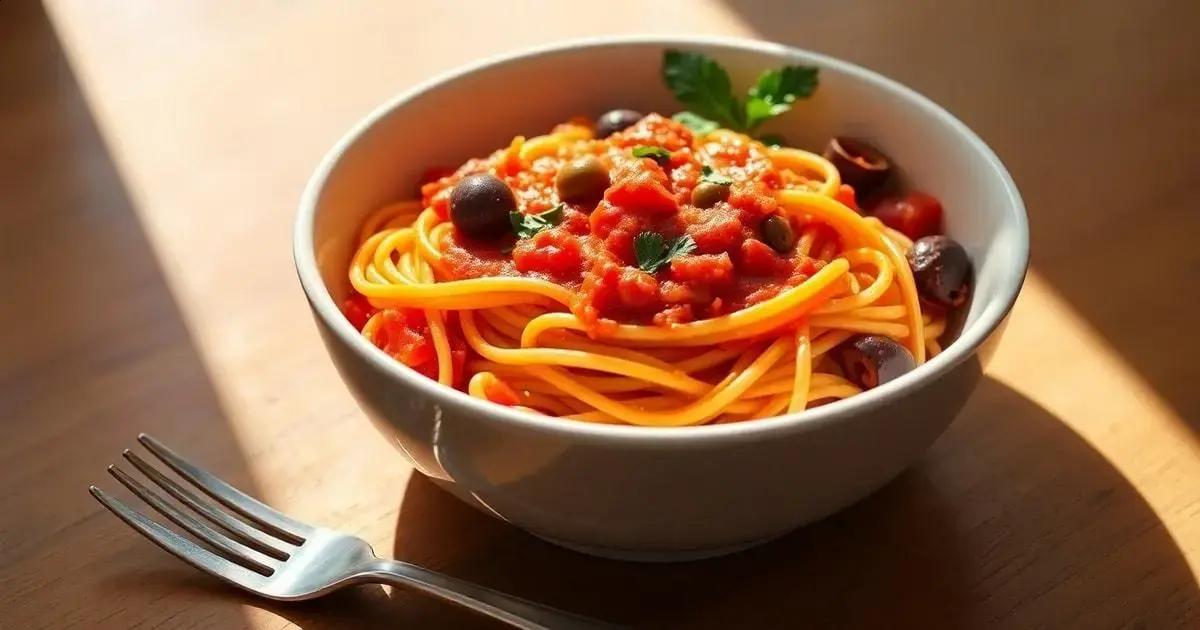
spaghetti puttanesca
Ingredients
Method
- Bring a large pot of water to boil. Salt it heavily—like the sea. While it heats, prep your ingredients. (I chop the garlic and parsley now, open the tomatoes, and measure out the capers and olives.)
- Drop the spaghetti into the boiling water. Stir so it doesn't stick. Cook until just al dente, usually 8–9 minutes, but start tasting at 7. Reserve 1/2 cup of pasta water before draining.
- While the pasta cooks, heat the olive oil in a wide pan over medium. When it shimmers, add the garlic, anchovy fillets, and chili flakes. Use your spatula to gently mash the anchovies into the oil—they melt away, leaving savory depth. Sauté until the garlic is golden at the edges, about 1 minute.
- Pour in the tomatoes (crush whole ones with your hands), olives, and capers. Stir and simmer for 7–8 minutes, until the sauce thickens slightly. Taste: too sharp? Let it simmer a bit more. Not enough punch? Add another anchovy or a pinch more pepper flakes.
- Add the drained spaghetti right into the sauce. Toss, adding some reserved pasta water if it seems dry. The sauce should cling to the noodles, not pool at the bottom. Off the heat, mix in fresh parsley.
- Serve immediately, with extra parsley and a drizzle of good olive oil if you like. (I keep the cheese off—it doesn't need it, but do your thing.)
Notes
What makes this work (and one tip you won’t see elsewhere)
Melt the anchovies into the oil—this is what gives real puttanesca its deep, savory kick without tasting fishy. I don’t skip the chili flakes; a tiny bit of heat balances all that salt. If your sauce tastes harsh or sour, let it bubble a couple more minutes before adding pasta. The flavors round out with just a little time. And here’s the thing nobody tells you: if you’re using the last bits from a jar of olives but it’s not quite the right amount, throw in a splash of that brine. It saves the day.Ingredient swaps that actually work
Can’t do anchovies? Use a teaspoon of miso paste for umami, stirred into the oil (not traditional, but it works if you’re vegetarian). Don’t swap in green olives; black is what gives the proper balance. If you’re missing capers, you might skip—extra olives make up for it better than anything else.Leftovers and prepping ahead
Puttanesca holds up better than most pastas. I toss leftovers in a pan with a splash of water to revive the sauce—next-day flavors are actually richer. The sauce itself freezes well; I sometimes double it and stash half for a rescue meal later.I always keep the ingredients for spaghetti puttanesca stocked for the nights when I need big flavor and minimal fuss. It’s bold, salty, and a little briny—exactly my comfort food when I don’t have much fresh in the fridge.
What makes this work (and one tip you won’t see elsewhere)
Melt the anchovies into the oil—this is what gives real puttanesca its deep, savory kick without tasting fishy. I don’t skip the chili flakes; a tiny bit of heat balances all that salt.
If your sauce tastes harsh or sour, let it bubble a couple more minutes before adding pasta. The flavors round out with just a little time. And here’s the thing nobody tells you: if you’re using the last bits from a jar of olives but it’s not quite the right amount, throw in a splash of that brine. It saves the day.
Ingredient swaps that actually work
Can’t do anchovies? Use a teaspoon of miso paste for umami, stirred into the oil (not traditional, but it works if you’re vegetarian). Don’t swap in green olives; black is what gives the proper balance. If you’re missing capers, you might skip—extra olives make up for it better than anything else.
Leftovers and prepping ahead
Puttanesca holds up better than most pastas. I toss leftovers in a pan with a splash of water to revive the sauce—next-day flavors are actually richer. The sauce itself freezes well; I sometimes double it and stash half for a rescue meal later.